 EN
EN 


Email:
sales@keytechled.com

Portable LED signage has become a key tool in modern outdoor communication and advertising. As demand grows for flexible, high-visibility, and real-time messaging systems, solutions such as portable digital signs are increasingly deployed across retail, transportation, events, and public information sectors. Companies like KEYTECHLED contribute to this evolution by developing LED display systems combined with cloud-based control and smart advertising technologies.
This article provides a structured overview of portable LED signage, including product definition, working principles, classification, installation methods, application scenarios, industry usage, and comparison with traditional and alternative solutions.
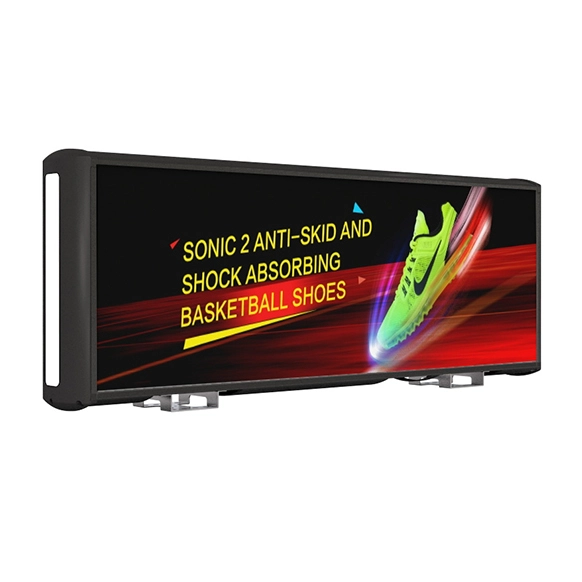
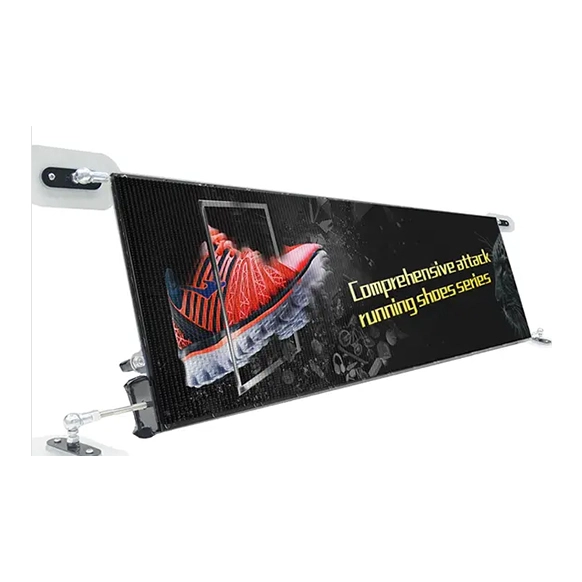
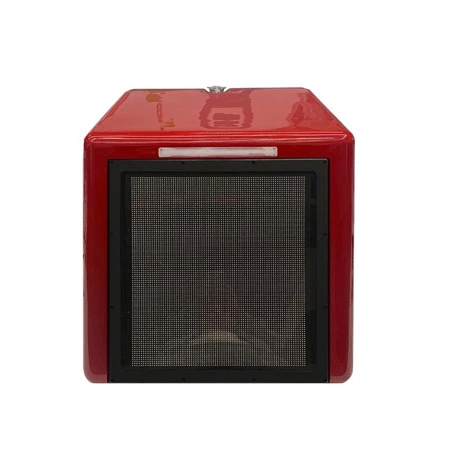
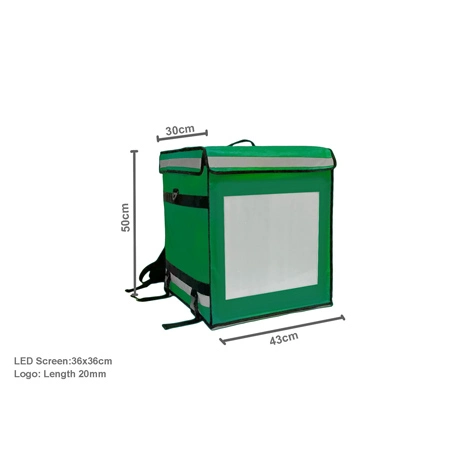
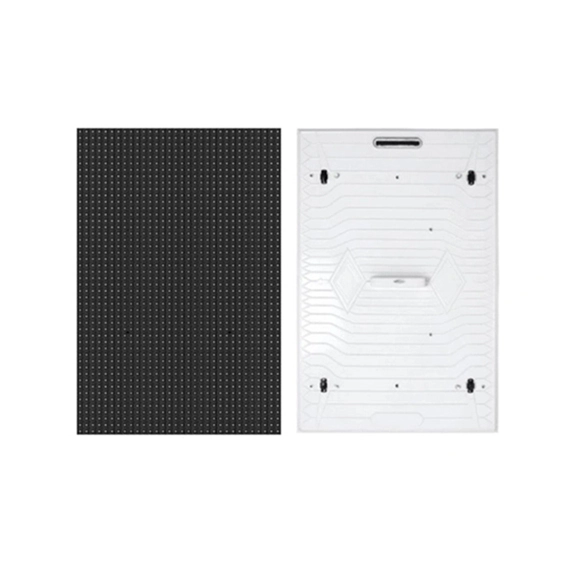
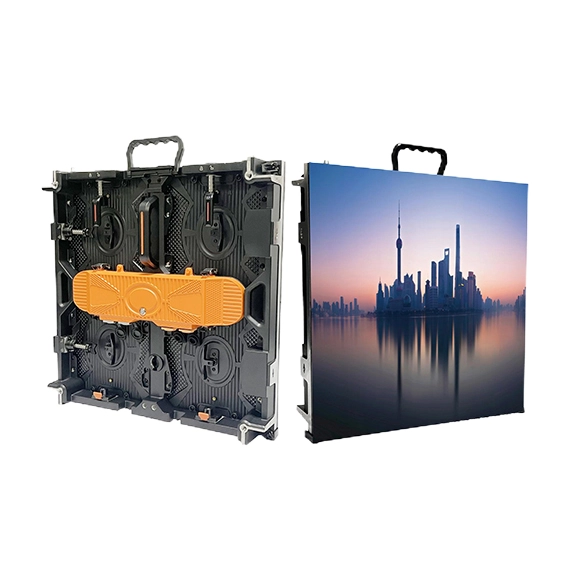
A portable LED sign is a movable LED display device designed for flexible deployment in different environments. Unlike fixed billboards, it can be repositioned, reused, and reconfigured based on communication needs.
These systems are widely used as portable LED display boards for advertising, public messaging, and event communication. Their ability to update content in real time makes them significantly more effective than static signage in dynamic urban environments.
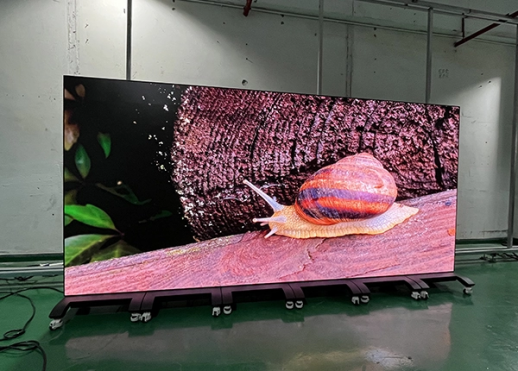
In modern digital advertising ecosystems, portable LED advertising signs are also integrated into cloud-based platforms, allowing remote control and centralized content management across multiple devices.
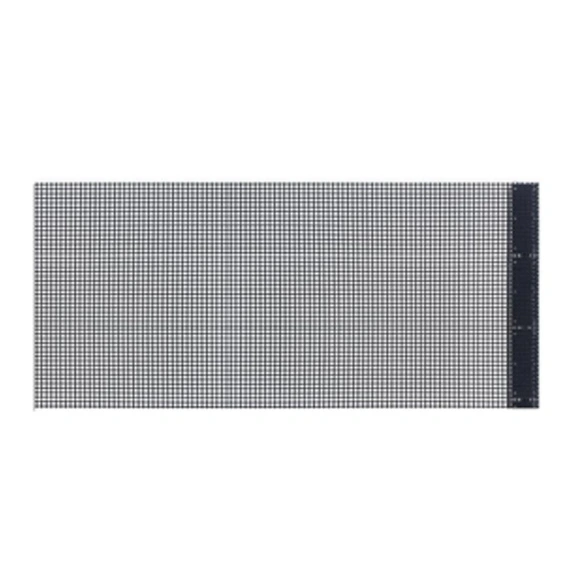
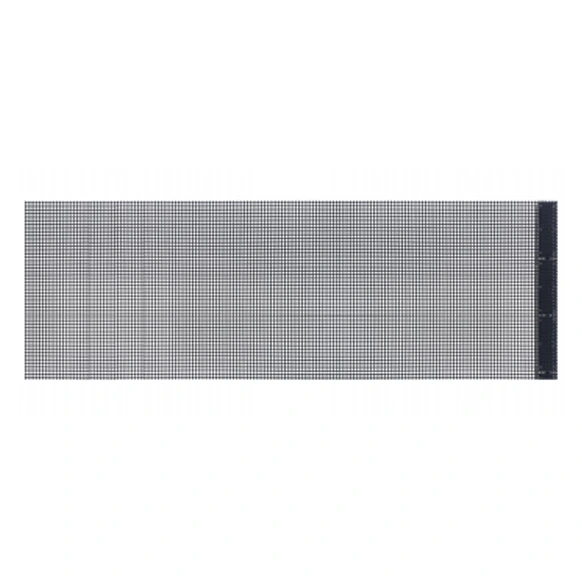
Portable LED signage operates through LED pixel matrix technology combined with intelligent control systems.
Digital content is first created through software platforms and then transmitted to the display controller. The controller converts data into electrical signals that activate individual LED pixels, forming text, images, or animations.
Modern portable programmable LED signs support wireless connectivity and cloud-based updates, allowing users to modify content remotely. This enables real-time control of portable digital signs without physical access to the device.
Power systems vary depending on application, including rechargeable batteries, direct electrical input, or vehicle-integrated power supplies. This flexibility supports both stationary and mobile deployment scenarios.
Portable LED signage can be categorized based on function and usage scenarios.
Text-focused systems such as portable electronic message boards are commonly used for announcements, alerts, and promotional messaging. These systems prioritize clarity and readability.
Advertising-oriented systems, including portable outdoor LED signs, are designed for high-visibility marketing in outdoor environments. They often support animations and dynamic content rotation.
Advanced programmable systems such as portable scrolling LED signs allow automated message sequencing, scheduled content updates, and remote management.
Together, these categories form a flexible ecosystem of LED portable sign technologies suitable for multiple industries.
Portable LED signage is designed for flexible installation across different environments.
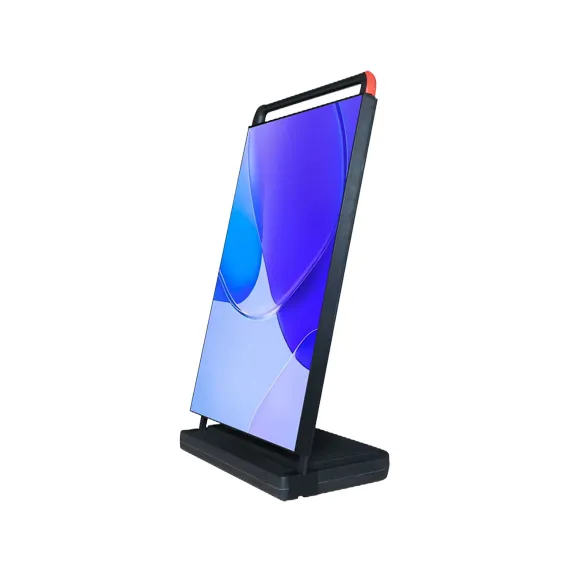
Ground-based installations use wheeled stands or portable frames, allowing easy relocation in commercial spaces, exhibitions, or retail areas.
Vehicle-mounted setups transform signage into mobile advertising tools, enabling portable LED advertising signs to reach different geographic locations dynamically during movement.
Temporary event installations are widely used in concerts, exhibitions, and festivals, where rapid setup and removal are required.
Semi-permanent wall or fence installations are also used in industrial zones and commercial districts where moderate-term deployment is needed.
Portable LED signage is widely used across multiple industries due to its adaptability and visibility.
In retail environments, portable LED display boards are used for promotions, pricing updates, and seasonal campaigns. Their brightness and motion capabilities make them highly effective for attracting customer attention.
In transportation, portable outdoor digital signs are used for traffic guidance, parking management, and mobile advertising campaigns. These systems are especially effective in urban mobility environments.
Event industries rely on portable electronic message signs for concerts, exhibitions, and sports events, where dynamic messaging and quick setup are essential.
Public communication systems use portable LED message boards for emergency alerts, government announcements, and smart city messaging infrastructure.
Industrial and construction sectors also use portable scrolling LED signs for safety warnings, operational instructions, and directional guidance.
Portable LED signage is part of the broader LED display and digital signage industry.
Advanced manufacturers integrate portable LED display systems into larger ecosystems that include cloud-based content management, IoT connectivity, and multi-device synchronization.
This allows portable LED advertising signs to function not only as standalone devices but also as components of smart city communication networks and digital advertising infrastructures.
Traditional signage systems rely on printed posters, static banners, and fixed billboards. These formats are limited by their inability to update content after production.
In contrast, portable LED sign systems allow instant content changes through software control. This significantly improves responsiveness and reduces long-term operational costs.
Additionally, portable digital signs provide higher visibility due to brightness, motion effects, and dynamic content capabilities. This makes them more effective in crowded urban environments compared to static alternatives.
Compared to fixed LED installations, portable LED display systems offer greater flexibility. Fixed systems require permanent infrastructure, while portable systems can be relocated and reused across multiple locations.
Compared to LCD-based displays, portable LED display board systems offer higher brightness, better outdoor visibility, and improved durability in harsh environments.
Compared to paper-based signage, portable LED advertising signs provide dynamic content control, allowing animations, scrolling text, and scheduled messaging that significantly increase engagement.
Portable LED signage offers several key advantages in modern communication systems.
The most important advantage is flexibility. A single LED portable sign can be used in multiple environments, reducing the need for repeated production.
Another advantage is real-time control. With portable programmable LED signs, users can update content instantly through cloud-based systems.
High visibility is also a major benefit, as portable outdoor LED signs are designed for both daytime and nighttime readability.
Energy efficiency and long operational lifespan further enhance the value of these systems in long-term deployment scenarios.
Despite its advantages, portable LED signage also has limitations.
Initial investment costs are higher compared to traditional signage systems. In addition, power management is required, especially for mobile or outdoor applications.
Advanced features such as cloud control and multi-device synchronization may require technical setup and system integration.
Environmental durability varies depending on product quality and design specifications.
The future of portable LED signage is closely linked to smart city development and digital transformation.
Increasing adoption of IoT systems and cloud-based platforms is enabling more intelligent management of portable LED display networks.
Artificial intelligence is also being introduced to optimize content scheduling and audience targeting.
Mobile advertising systems, including portable LED advertising signs, are expected to expand further as cities become more connected and data-driven.
Portable LED signage represents a flexible and evolving solution for modern communication and advertising needs. Through technologies such as portable LED message board, it enables dynamic, real-time messaging across multiple environments.
Compared with traditional signage, portable LED display systems offer higher visibility, stronger adaptability, and improved operational efficiency. With continuous development from companies like KEYTECHLED, these systems are becoming a core component of digital advertising networks and smart city communication infrastructure.
 Leveraging Data-Driven Targeting and Personalization on Digital Taxi Top DisplaysFebruary 29, 2024In the ever-evolving world of advertising, businesses are constantly seeking innovative ways to display their brand messages effectively. One such breakthrough is the utilization of digital taxi top d...viewNavigating the Night: How Smart Light Poles Transform Smart TransportationNovember 23, 2023In the realm of smart city initiatives, the integration of smart light poles is making significant strides in transforming how we navigate the night, particularly in the context of smart transportatio...viewNavigating Advertising Trends with Digital Taxi Top DisplaysNovember 23, 2023In the ever-evolving landscape of outdoor advertising, digital taxi top displays have emerged as a dynamic and transformative medium, propelling brands into the limelight with unprecedented visibility...viewOn the Move: The Power and Potential of LED Advertising on CarsSeptember 19, 2023In the ever-evolving world of advertising, staying ahead of the curve is essential to make a lasting impact on potential customers. As consumers become increasingly selective about the messages they e...viewEnhancing Educational and Awareness Campaigns with Bus LED ScreensFebruary 29, 2024In today's fast-paced world, capturing the attention of the masses can be quite challenging. However, innovative technologies like bus LED screens have revolutionized the way we communicate with l...viewEntertainment and Information with Bus LED ScreensFebruary 29, 2024In today's fast-paced world, where people are constantly on the move, it is essential to find innovative ways to engage and entertain commuters during their daily journeys. This is where bus LED s...view