 EN
EN 


Email:
sales@keytechled.com

Mobile advertising is rapidly evolving from static visual formats into intelligent, data-driven systems. With the rise of smart cities and IoT infrastructure, vehicles are no longer just transportation tools. They are becoming dynamic media platforms. A LED smart screen for car is at the center of this transformation, helping fleet owners, advertisers, and media companies turn vehicles into connected advertising assets.
Unlike traditional printed ads or static car wraps, smart LED-based systems allow real-time content updates, location-based targeting, and centralized fleet control. This shift is not only improving advertising efficiency but also creating new revenue models for taxi fleets, delivery fleets, bus operators, and outdoor media companies.
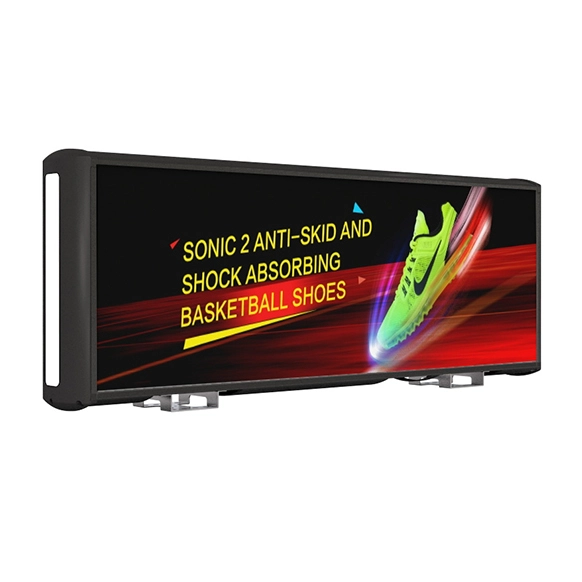
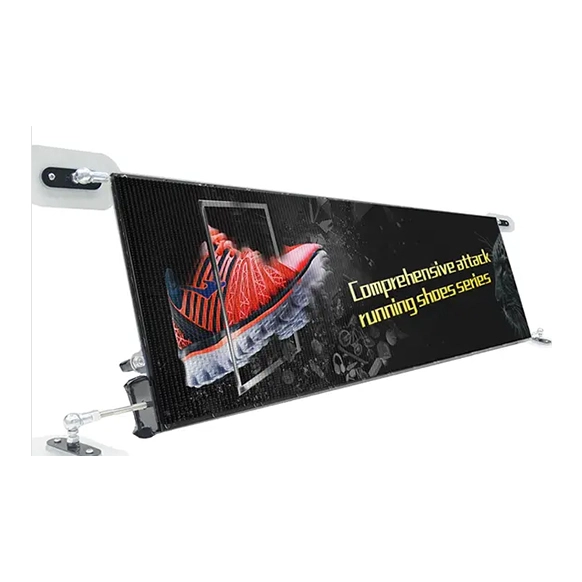
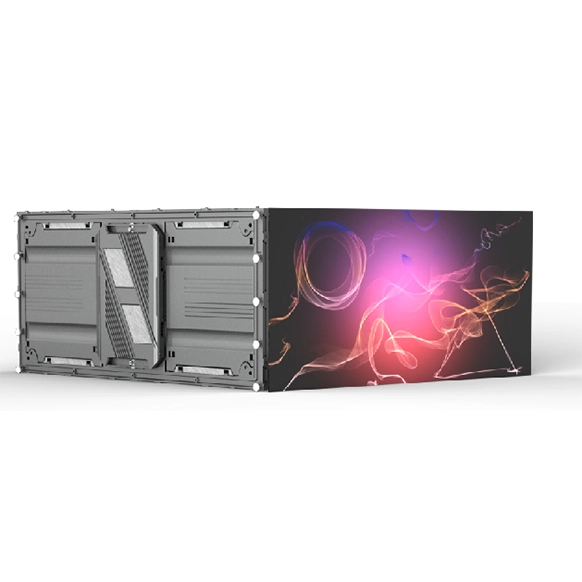
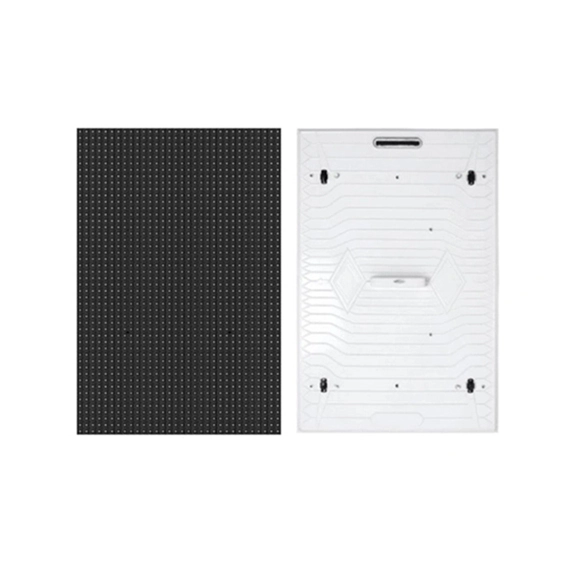
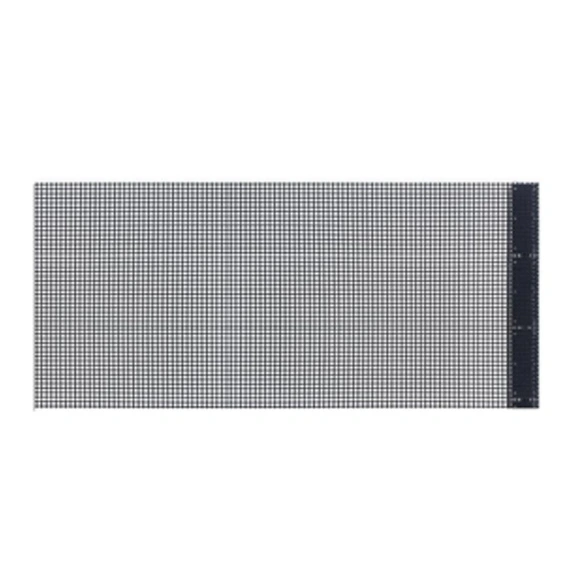
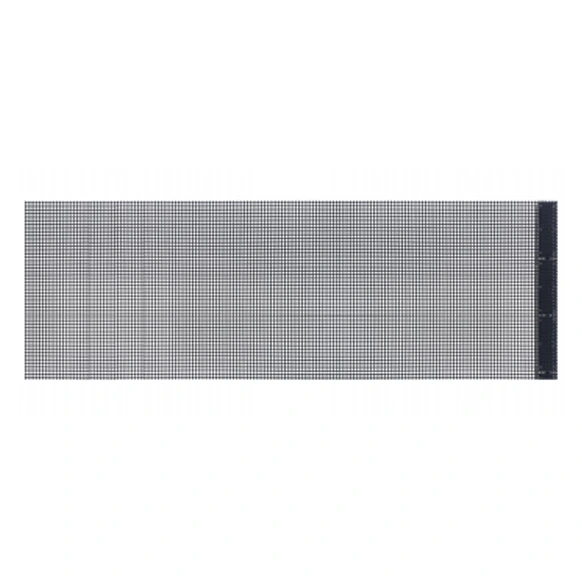
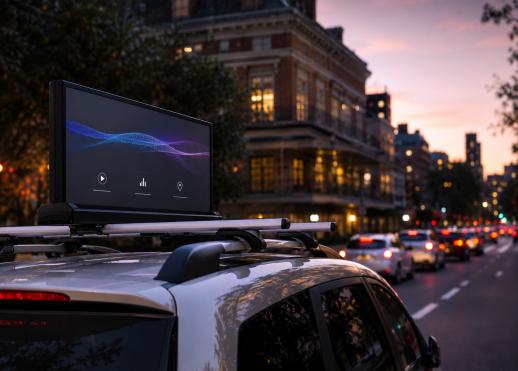
A LED smart screen for car is an intelligent vehicle-mounted LED display system designed for dynamic advertising, information publishing, and fleet-based media operation. It can be used on taxis, delivery vehicles, buses, commercial cars, and other mobile advertising platforms.
Unlike conventional static signage, smart vehicle LED screens can be connected to cloud-based control platforms. Operators can update advertising content, adjust campaign schedules, manage multiple vehicles, and monitor playback data from a central system.
In smart mobility advertising, the screen is not only used to show messages. It becomes part of a connected advertising network where vehicles, locations, data, and audiences work together to improve campaign value.
Traditional car advertising usually relies on printed wraps, stickers, roof signs, or static posters. These formats can still support brand exposure, but they have clear limitations for modern fleet advertising.
Once a printed ad is instalLED, the content cannot be changed easily. If an advertiser wants to launch a new campaign, update pricing, change visuals, or target a different area, the operator often needs to redesign, print, and replace the material. This increases both cost and management time.
Traditional advertising also lacks data feedback. Advertisers may know where vehicles are generally operating, but they cannot easily confirm when and where each message was displayed. For media companies, this makes it harder to prove campaign value.
Smart vehicle LED displays solve these problems by allowing dynamic content updates, flexible campaign scheduling, and more transparent advertising management. This is why more fleet operators are moving from static media to connected digital vehicle displays.
A modern car LED board is more than a simple display screen. It can work as a programmable advertising terminal for mobile media campaigns.
With a smart control system, operators can publish content remotely instead of updating each vehicle manually. Different advertisements can be scheduLED by time, vehicle group, campaign type, or operating area. This makes it easier to manage large taxi fleets, delivery fleets, or bus advertising networks.
For example, a brand may want to run morning ads near business districts, food delivery promotions during lunch hours, and entertainment ads near shopping areas in the evening. With a smart vehicle LED system, these changes can be managed more efficiently.
This kind of real-time control makes vehicle advertising closer to programmatic digital out-of-home advertising. Instead of showing one fixed message for a long period, the fleet can display different content according to campaign needs.
IoT integration is one of the biggest advantages of smart vehicle LED advertising systems. When LED displays are connected with GPS tracking and cloud platforms, advertisers can manage campaigns with more accuracy.
GPS tracking helps operators understand where vehicles are moving. Geo-fencing allows advertisers to set specific display zones, such as airports, train stations, shopping malls, business districts, schools, hospitals, exhibition centers, or event venues.
When a vehicle enters a selected zone, the system can display suitable advertising content for that location. This improves message relevance and helps advertisers reach audiences in the right place at the right time.
For outdoor media companies, this also creates a more valuable advertising product. Campaigns are no longer limited to “a screen on a vehicle.” They become location-aware media placements supported by movement data and playback records.
As a smart LED display company, KEYTECHLED provides LED advertising screens, smart city LED displays, and IoT application solutions for customers who need connected and scalable display systems.
The adoption of LED smart screen for car systems is helping fleet owners create new income opportunities. Vehicles can continue to perform their original transportation or delivery tasks while also generating advertising revenue.
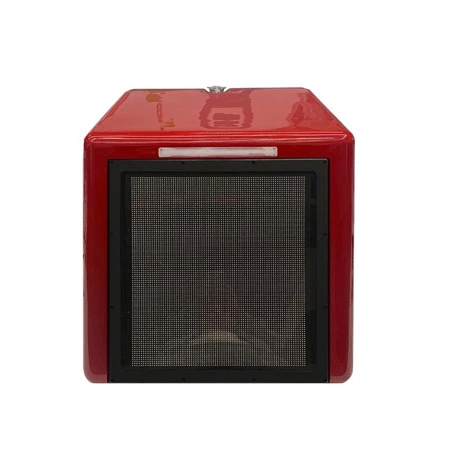
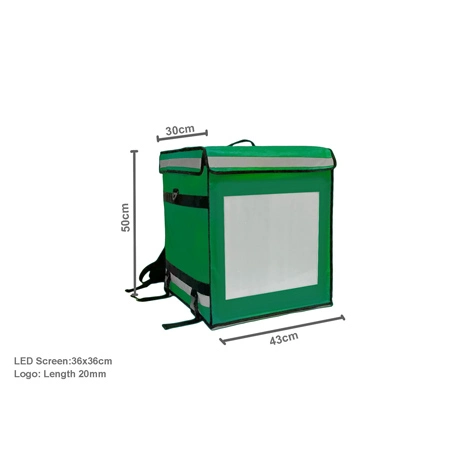
Taxi fleets can cooperate with brands, local businesses, media agencies, or city advertising operators. Delivery fleets can display restaurant promotions, platform branding, retail offers, or seasonal campaigns. Bus operators can use side window, rear window, or roof-mounted LED displays to expand public transport media value.
Common monetization models include direct advertising sales, media agency partnerships, revenue sharing with fleet owners, and campaign packages based on routes or operating areas.
This changes the role of vehicles. They are no longer only transportation tools. They become mobile advertising assets that can produce value throughout daily operation.
Smart cities need faster, more flexible, and more connected communication channels. Vehicle-mounted LED displays can support this trend by combining mobility, visibility, and digital content management.
For advertisers, connected vehicle displays provide a flexible outdoor media channel that can move across different urban areas. For city communication, they can also support public messages, event information, route updates, or location-based notices.
Compared with fixed billboards, vehicle LED displays can reach changing audiences across different routes. Compared with static car ads, smart LED screens can update content quickly and support more campaign formats.
This makes connected vehicle displays suitable for digital out-of-home advertising, smart city media networks, taxi advertising systems, public transport communication, and delivery fleet promotion.
The development of LED smart screen for car technology is reshaping the way fleet advertising works. What used to be a static promotion method is now becoming a connected, data-driven advertising system supported by IoT, GPS tracking, geo-fencing, and remote content management.
For taxi companies, delivery platforms, bus operators, and media agencies, smart vehicle LED displays can create more flexible advertising models and new revenue opportunities. Instead of simply placing ads on vehicles, businesses can build a mobile media network that is easier to manage, measure, and scale.
KEYTECHLED offers intelligent vehicle LED display solutions for customers who need reliable hardware, smart control, and IoT-based advertising applications. To discuss your fleet type, installation plan, screen quantity, and project requirements, you can contact us for a suitable solution.
 How LED Delivery Boxes Improve the Customer Delivery ExperienceFebruary 29, 2024In today's fast-paced world, efficient and timely delivery is crucial for businesses to thrive. With the increasing popularity of online shopping, customers expect their orders to be delivered qui...viewHow Car Advertising Display Screens Elevate the Driving ExperienceFebruary 29, 2024In the modern age where technology is advancing at an astonishing pace, it comes as no surprise that even the traditional driving experience has received a tech upgrade. Car advertising display screen...viewThe Mobile Billboard: Advertising Power with Bus LED ScreensNovember 23, 2023In the bustling urban landscape, where capturing the attention of consumers is a constant challenge, the emergence of bus LED screens has redefined the realm of outdoor advertising. These mobile billb...viewInnovative Application Of LED Display ScreenApril 12, 2023Advantages and difficulties of using LED display screens in some innovative scenarios.viewNavigating the Night: How Smart Light Poles Transform Smart TransportationNovember 23, 2023In the realm of smart city initiatives, the integration of smart light poles is making significant strides in transforming how we navigate the night, particularly in the context of smart transportatio...viewOn the Glow: Exploring the Visual Dynamism of LED Advertising on CarsNovember 23, 2023In the realm of vehicular advertising, LED displays on cars are transforming the streets into vibrant canvases of dynamic visuals. The visual dynamism of LED advertising on cars goes beyond static bil...view