 EN
EN 


Email:
sales@keytechled.com

In the modern display industry, technologies such as LCD, LED, OLED, and QLED are often mentioned together, but they are not simply different versions of the same system. Instead, they represent distinct display principles that evolved in different directions to meet specific needs—ranging from home entertainment to professional large-scale visual systems.
In professional environments such as concerts, stadium events, exhibitions, broadcasting, and outdoor advertising, companies like KEYTECHLED rely on Direct-View LED technology to deliver high-brightness, scalable, and highly reliable display solutions. These systems are designed for real-world complexity rather than controlled indoor viewing conditions.
LCD (Liquid Crystal Display) is one of the earliest and most widely used flat-panel display technologies. It works by controlling light passing through liquid crystals, which act like shutters to form images. However, LCD panels do not emit light themselves. They require a separate backlight unit to illuminate the screen.
This structure makes LCD technology highly cost-effective and stable, which is why it is still widely used in televisions, monitors, laptops, and signage systems. Over time, the backlight source has evolved from fluorescent lamps to LED backlighting, improving brightness, power efficiency, and slim design.
Despite these improvements, LCD technology still faces limitations in contrast performance. Because the backlight remains partially active even when displaying dark scenes, achieving true black is difficult compared to newer technologies.
In everyday use, many “LED TVs” are still fundamentally LCD displays with upgraded backlighting systems.
The term LED is used in two different ways in the display industry, which often leads to confusion.
The first is LED-backlit LCD, where LEDs are used only as a light source behind an LCD panel. This improves brightness, reduces thickness, and enhances energy efficiency, but the core display mechanism remains LCD-based.
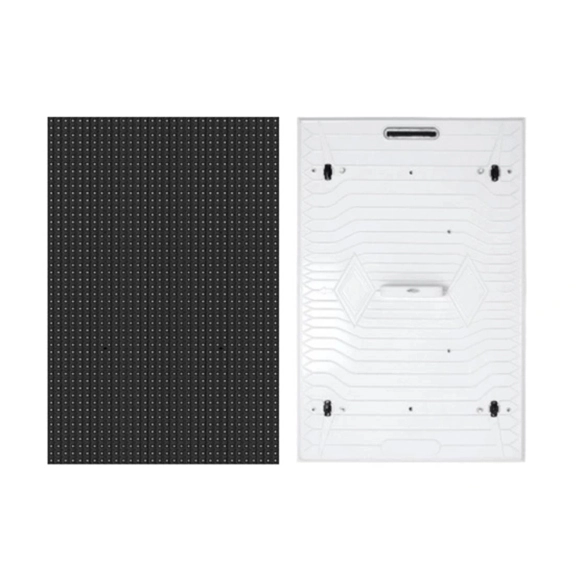
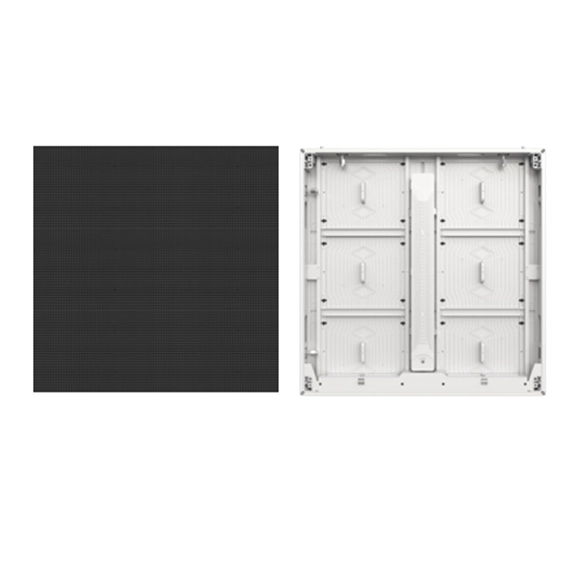
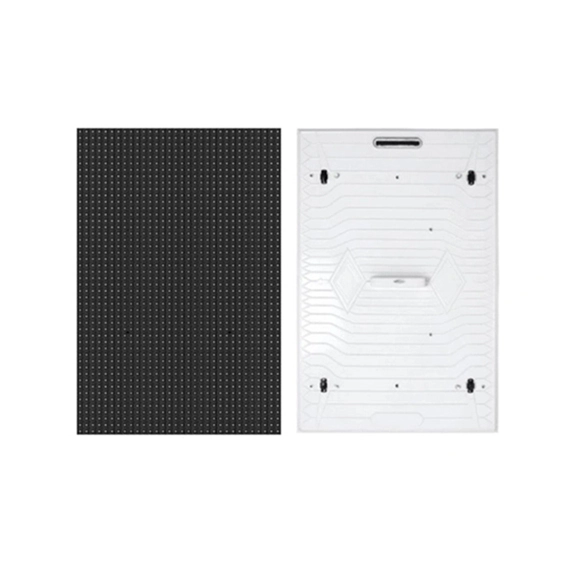
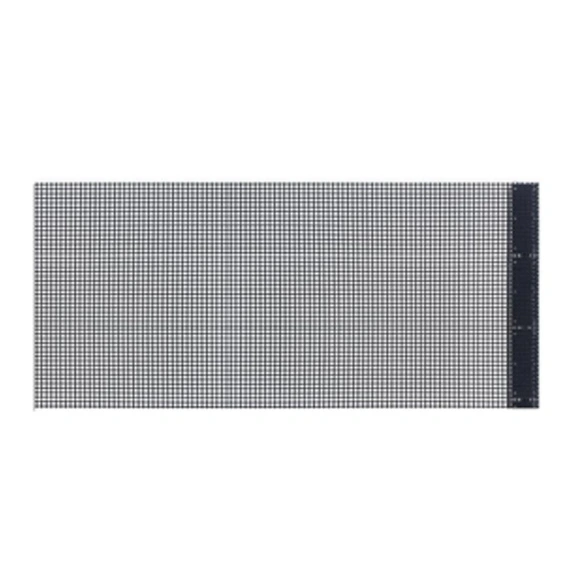
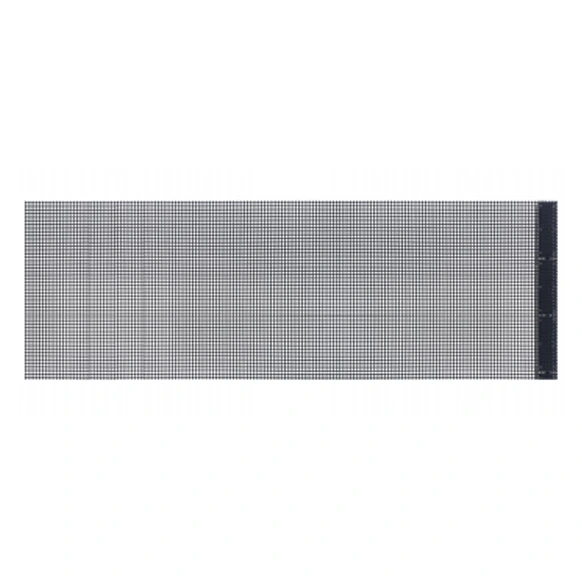
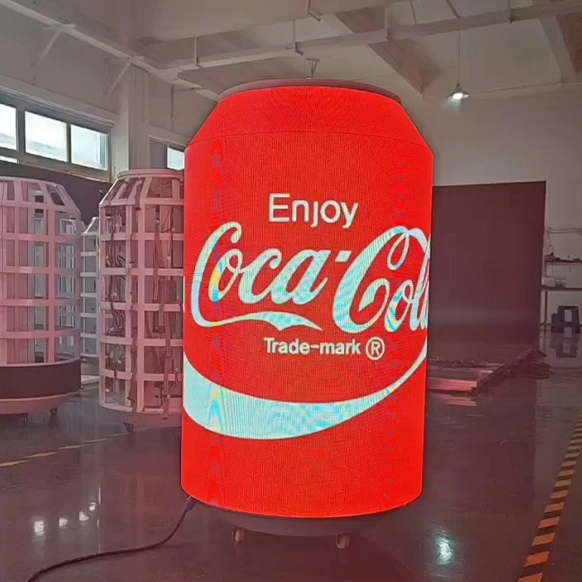
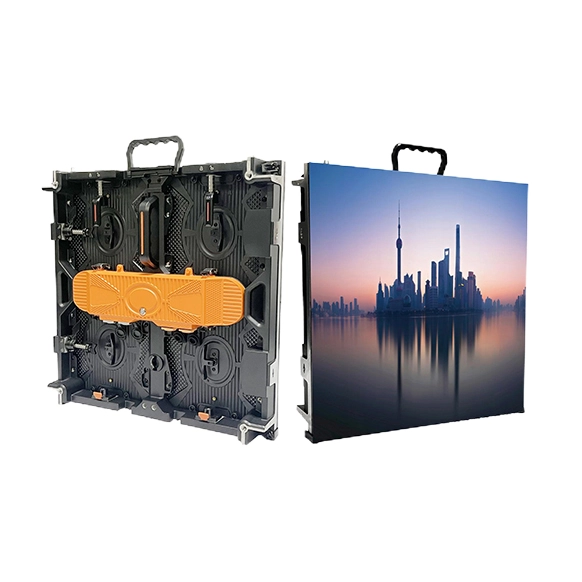
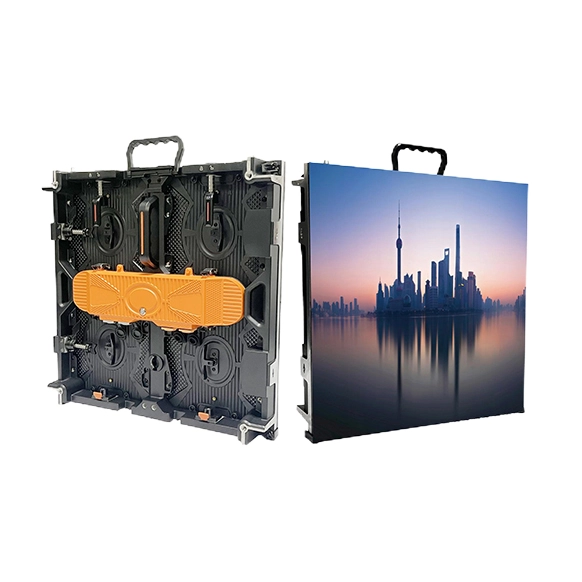
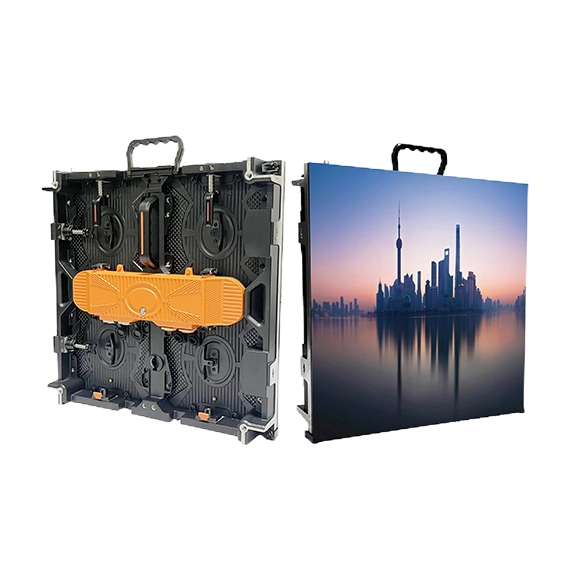
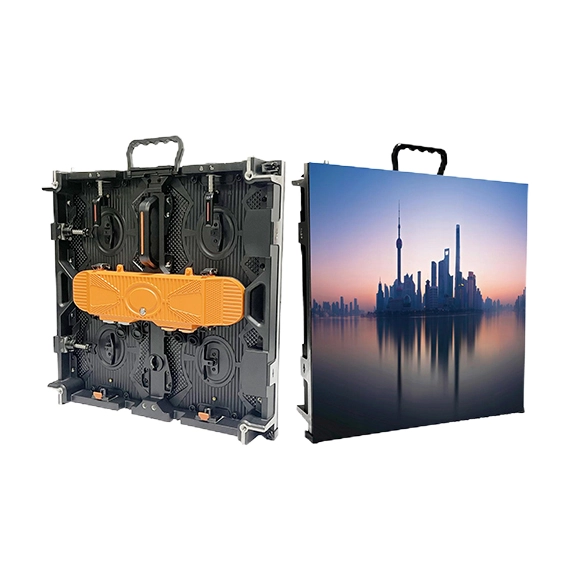
The second is Direct-View LED technology, which is completely different. In this system, each pixel is made of individual LED diodes. There is no LCD layer and no backlight system. Instead, the display is constructed from modular LED panels that can be assembled into virtually any size or shape.
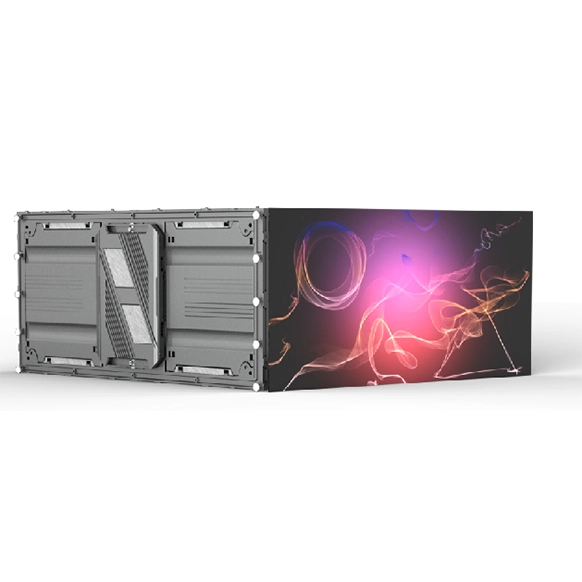
This is the technology used in professional display systems from KEYTECHLED, especially in applications such as stage backdrops, concerts, sports arenas, outdoor advertising, and video wall rental environments. These systems are designed to deliver extremely high brightness, wide viewing angles, and strong environmental adaptability, making them suitable for both indoor and outdoor large-scale events.
Unlike consumer displays, Direct-View LED systems are built for flexibility, meaning they can be scaled from small stage screens to massive outdoor video walls without losing visual consistency.
OLED (Organic Light Emitting Diode) represents a completely different approach to display design. Instead of relying on a backlight, each pixel in an OLED panel produces its own light independently.
This self-emissive structure allows each pixel to be turned completely on or off, resulting in perfect black levels and extremely high contrast ratios. As a result, OLED displays are known for their deep image quality, accurate colors, and fast response times.
OLED technology is widely used in premium consumer electronics, including high-end televisions, smartphones, and portable devices. It is especially valued in environments where controlled lighting allows its image quality advantages to be fully appreciated.
However, OLED is less commonly used in large-scale commercial or outdoor environments due to cost considerations and brightness limitations compared to LED-based systems.
QLED (Quantum Dot LED) is not a fundamentally new display architecture. Instead, it is an enhancement applied to LED-backlit LCD systems using quantum dot materials.
These quantum dots improve color accuracy and brightness efficiency by enhancing how light is filtered and displayed. As a result, QLED displays typically offer more vivid colors and higher brightness compared to standard LCD screens.
However, QLED still relies on an LCD structure and backlight system. It does not achieve pixel-level light control like OLED, nor does it have the modular scalability of Direct-View LED systems.
In simple terms, QLED improves color performance within the LCD family, but does not change the underlying display mechanism.
The fundamental difference between these technologies lies in how light is produced and controlled.
LCD relies entirely on a backlight system. LED-backlit LCD improves efficiency but still depends on LCD architecture. OLED eliminates backlighting entirely and uses self-emissive pixels for individual light control. Direct-View LED systems, such as those used by KEYTECHLED, eliminate the LCD layer altogether and build displays from LED modules designed for large-scale applications.
This is why comparisons between these technologies are not about simple upgrades but about fundamentally different engineering approaches that serve different industries and use cases.
It is important to understand that 4K UHD refers only to resolution (3840×2160 pixels) and does not define display technology itself.
All major display types—LCD, QLED, OLED, and LED—can support 4K resolution. However, their visual performance differs significantly based on contrast, brightness, and viewing environment.
OLED is often preferred for cinematic home viewing due to its superior contrast and black levels. LCD and QLED provide balanced performance at more affordable prices, making them suitable for general consumer use. Direct-View LED systems, on the other hand, are optimized for brightness, scalability, and visibility in large public environments rather than pixel-level home viewing precision.
In professional environments, resolution is only one factor; brightness, durability, and screen size scalability are often more important.
KEYTECHLED provides a comprehensive ecosystem of LED display solutions designed for commercial, industrial, and creative applications across multiple industries.
Its Indoor Smart LED Display systems are widely used in conference rooms, retail environments, control centers, exhibition halls, and corporate spaces. These displays are designed to deliver stable high-resolution visuals, smooth playback performance, and reliable long-term operation for professional communication and branding needs.
For outdoor applications, KEYTECHLED offers Outdoor Common Cathode Full Color Aluminum Screen systems. These displays are engineered for high brightness, energy efficiency, and durability under harsh environmental conditions. They are commonly used in stadiums, transportation hubs, large-scale advertising installations, and outdoor media façades where visibility under strong sunlight is essential.
In the smart city and creative display sector, KEYTECHLED provides LED Poster Display, Smart LED Lamp Pole Sign, Holographic Screen, and LED Intelligent Creative Display solutions. These products support dynamic digital signage, immersive advertising experiences, and innovative urban visual communication systems.
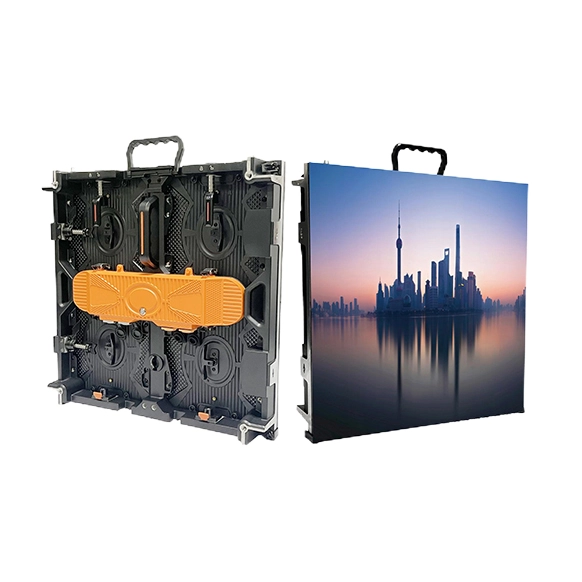
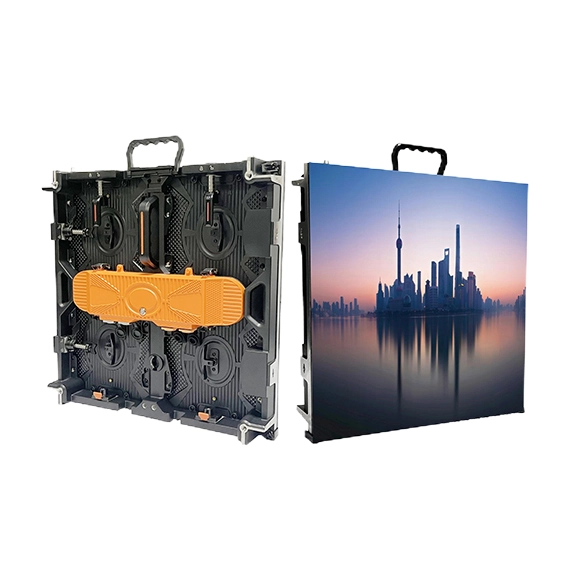
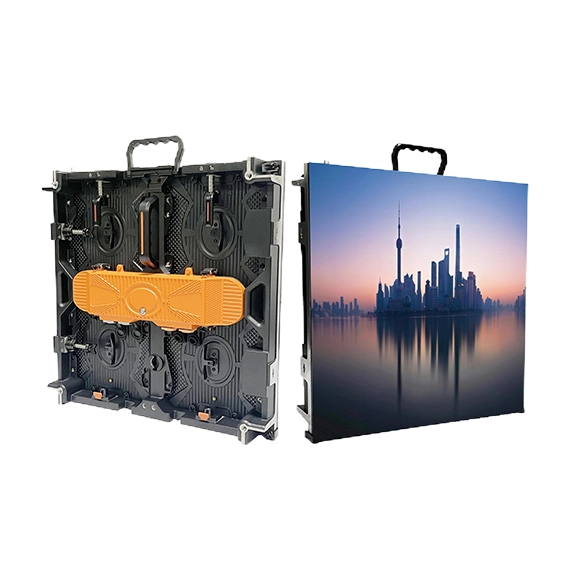
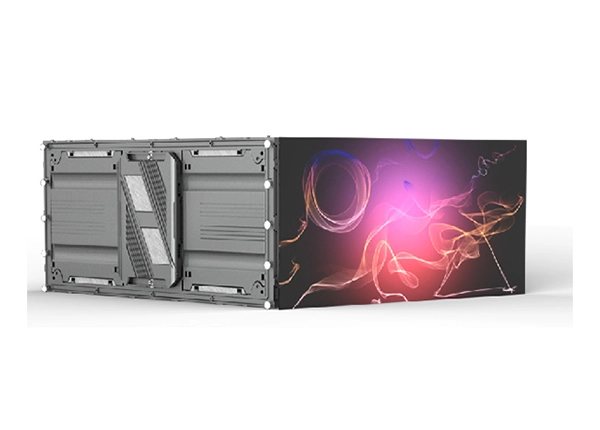
For live entertainment and event production, KEYTECHLED also provides Rental Screen solutions. These modular LED systems are widely used in concerts, music festivals, stage performances, exhibitions, corporate events, sports events, and touring productions. Their design supports fast installation and dismantling, flexible screen configurations, and high refresh rates for smooth visual output in dynamic environments. This makes them especially suitable for video screen rental, and large-scale event staging applications where speed and reliability are critical.
Consumer displays are designed for personal use, focusing on image quality, price, and energy efficiency in stable environments such as homes and offices. Professional displays, however, are built for operational complexity, where brightness, durability, scalability, and reliability are more important than pixel-level refinement.
In this professional segment, KEYTECHLED plays a key role by offering LED-based solutions that support both fixed installations and rental-based event systems. These solutions are engineered for real-world conditions where visual impact and operational stability must work together seamlessly.
LCD, LED, OLED, and QLED represent different technological approaches rather than a single evolutionary path. LCD relies on backlighting, OLED uses self-emissive pixels, QLED enhances LCD color performance, and Direct-View LED systems—such as those from KEYTECHLED—are designed for large-scale professional environments requiring high brightness, scalability, and durability.
The best choice depends on the application: OLED is ideal for premium indoor viewing, LCD and QLED are suitable for general consumer use, and LED direct-view systems are the standard for professional, rental, and outdoor display applications where performance under demanding conditions is essential.
 LED Display Cloud Platform: Leading LED Displays into the Era of Cloud ManagementApril 23, 2025The LED display cloud platform is an integrated cloud platform with functions such as LED program editing, reviewing, releasing, etc. This platform can accommodate the access of millions of displays w...viewWhat Affects Digital LED Poster Price? A Practical Buyer Guide for B2B ProjectsJuly 10, 2026When buyers search for digital led poster price, they are usually not only looking for a number. They want to understand why prices vary between different LED poster displays, what features are worth ...viewLight Pole LED Display: Leading the New Trend of Smart CitiesOctober 16, 2024Under the ever-changing city skyline, the blueprint of a smart city is gradually becoming a reality. As a shining new star in this transformation, the light pole LED display, with its unique charm and...viewMaximize Your Brand Reach with KEYTECHLED Double-Sided LED Taxi Roof DisplaysJanuary 4, 2026In a world where brands compete fiercely for attention, mobile advertising has become one of the most effective ways to deliver messages directly to consumers on the move. The KEYTECHLED Double-Sides ...viewNavigating the Night: How Smart Light Poles Transform Smart TransportationNovember 23, 2023In the realm of smart city initiatives, the integration of smart light poles is making significant strides in transforming how we navigate the night, particularly in the context of smart transportatio...viewDigital vs Static Taxi Ads: Which Works Better in Modern Cities?June 22, 2026Taxi advertising has evolved from simple printed panels into a complex urban media ecosystem. In today’s highly competitive visual environment, brands are no longer only choosing where to advertise, ...view