 EN
EN 


Email:
sales@keytechled.com

Taxi advertising has evolved from simple printed panels into a complex urban media ecosystem. In today’s highly competitive visual environment, brands are no longer only choosing where to advertise, but also how to capture attention effectively in motion-based city landscapes. The comparison between digital taxi ads and static taxi ads highlights a broader shift from fixed visual messaging to dynamic, programmable advertising networks powered by LED technology and connected display systems.
Companies like KEYTECHLED, which focus on LED display manufacturing and smart advertising solutions, are part of this transition toward digital mobility-based media platforms.
Static taxi ads represent the traditional form of vehicle-based outdoor advertising. These include printed rooftop panels, vinyl vehicle wraps, and fixed posters used in conventional taxi branding systems.
Static formats are widely adopted because they are simple, predictable, and cost-efficient. Once installed, the message remains unchanged for the entire campaign duration, providing stable long-term exposure. This makes them suitable for brand awareness campaigns where consistency is more important than flexibility.
However, their limitations become more visible in modern urban environments. Static messaging cannot respond to real-time conditions such as traffic patterns, time of day, or audience segmentation. In dense cities where visual competition is extremely high, static ads often blend into the background over time, reducing their impact.
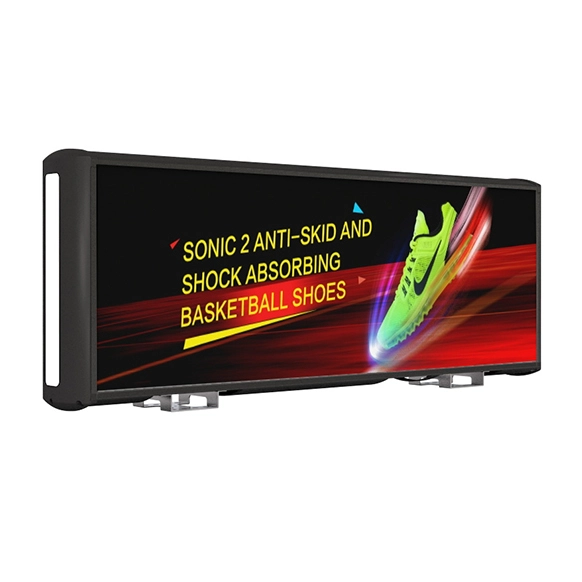
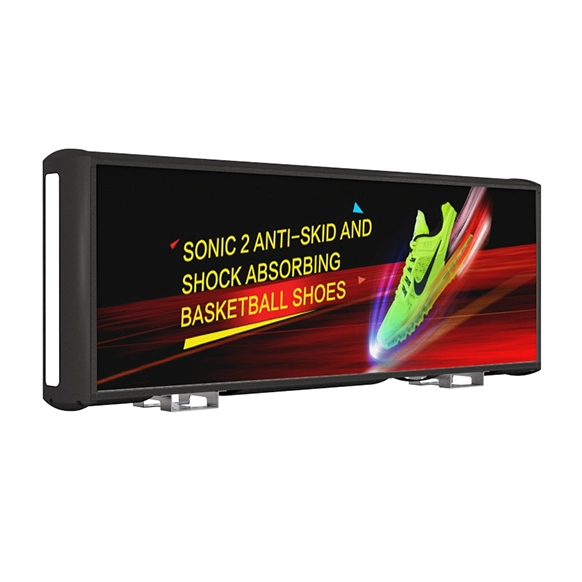
Digital taxi ads(https://www.keytechled.com/products/keytechled-double-sides-led-taxi-top-sign/) introduce LED-based display systems that transform vehicles into dynamic mobile screens. Instead of printed graphics, these systems use programmable LED panels capable of displaying video, animation, and rotating content.
Modern solutions developed by manufacturers such as KEYTECHLED include rooftop displays, window-mounted screens, and integrated vehicle advertising systems. These devices are often connected to a LED display cloud platform, enabling centralized control across entire fleets.
Unlike static formats, digital systems support continuous content updates, multi-ad rotation, and intelligent scheduling. A single taxi can display multiple campaigns in a single day, significantly improving advertising efficiency and monetization potential.
Taxi top media systems focus on rooftop-mounted advertising units designed for maximum visibility in dense urban traffic environments. These systems are positioned above vehicle height, allowing them to be seen across multiple lanes, intersections, and long viewing distances.
In traditional taxi top advertising, static panels are used to display fixed branding messages. While effective for continuous exposure, they lack adaptability.
Modern digital taxi top displays, often produced by companies like KEYTECHLED, enhance this concept by introducing programmable LED screens. These allow real-time updates, animated visuals, and campaign rotation, turning rooftops into dynamic advertising surfaces.
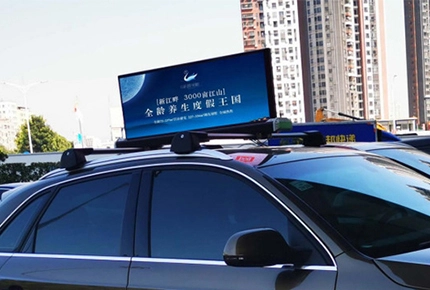
The advantage of this system lies in scale and visibility. Because taxis move continuously through high-density areas, rooftop displays generate repeated impressions across different districts throughout the day.
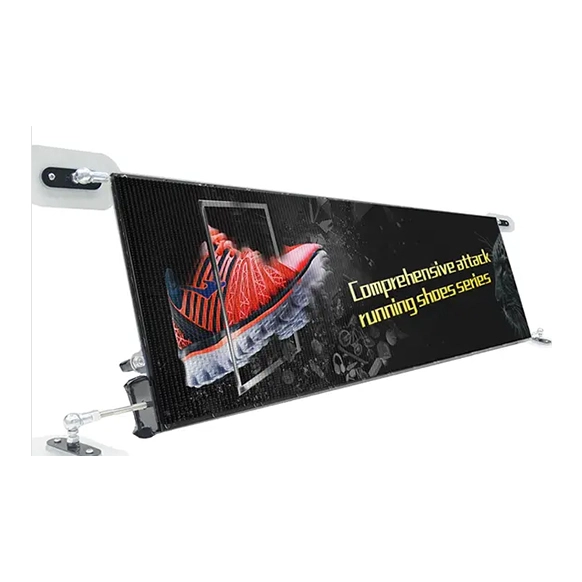
Window-based LED advertising represents a shift from long-distance visibility to close-range engagement. Systems such as car window message displays are installed at eye level, allowing direct interaction with pedestrians and nearby vehicles.
Manufacturers design these systems to deliver high brightness and stable performance in urban environments.
Unlike rooftop systems, which focus on broad exposure, window-based displays prioritize immediacy and proximity. They are particularly effective at intersections, traffic stops, and pedestrian-heavy streets where viewing time is short but attention is concentrated.
This format allows advertisers to deliver more targeted messaging, including promotional offers, QR interactions, or localized campaigns.
Fleet-based digital networks represent the most advanced stage of taxi advertising evolution. Instead of operating as individual advertising units, vehicles are connected into a unified system managed through centralized software platforms.
Using LED display application systems, advertisers can coordinate content across hundreds or thousands of vehicles simultaneously. Campaigns can be synchronized, segmented by region, or scheduled dynamically based on data inputs.
With solutions provided by KEYTECHLED, fleets equipped with car digital advertising systems become scalable urban media infrastructure. A connected fleet can deliver unified messaging across entire cities in real time.
In modern urban environments, attention is fragmented across multiple digital and physical stimuli. Static taxi ads rely heavily on repetition and passive exposure. Viewers must encounter the same message multiple times before recognition occurs.
In contrast, digital taxi ads use motion, brightness, and dynamic transitions to immediately capture attention. LED-based systems enhance visibility in both daytime and nighttime conditions, making advertisements more noticeable in dense traffic environments.
Animated content and rotating campaigns also help reduce ad fatigue, keeping audience engagement higher over time.
One of the strongest advantages of digital taxi advertising is operational flexibility.
Static formats require physical replacement for every update, increasing cost and reducing responsiveness.
Digital systems, especially those integrated with KEYTECHLED LED display cloud platforms , allow advertisers to update content instantly across entire fleets. Campaigns can be scheduled by time, location, or audience segment.
For example, messaging can change between morning commuting hours, business districts during the day, and entertainment zones at night. This adaptability transforms advertising into a responsive communication system rather than a fixed placement.
At first glance, static taxi ads appear more economical due to low production costs. However, their long-term efficiency is limited by repeated printing and installation requirements.
In contrast, digital taxi ads, including taxi top LED displays and car window LED screens provided by KEYTECHLED, require higher initial investment but offer multi-campaign rotation capability.
A single digital screen can host multiple advertisers over time, increasing utilization rate and generating continuous revenue. This shifts advertising from a one-time cost model to a long-term asset-based model.
Static advertising is fundamentally passive. The viewer receives the message without interaction or variation.
Digital systems introduce interactive and dynamic communication. A car window message display can show rotating promotions, while a taxi top LED display can present animated brand storytelling.
Some systems even support QR codes or time-based offers, encouraging immediate user response. This increases engagement and improves conversion potential compared to static formats.
Taxi fleets move through diverse environments throughout the day, making them ideal for contextual advertising.
With car roof top digital advertising systems and solutions from KEYTECHLED, content can be adjusted based on geographic and demographic conditions. Business districts, residential zones, and entertainment areas can all display different messaging.
This contextual flexibility improves relevance and ensures that advertising aligns with real-world environments—something static taxi top advertising cannot achieve.
The outdoor advertising industry is rapidly shifting toward LED screen car advertising and connected mobility networks. This transformation is driven by improvements in LED efficiency, declining hardware costs, and the expansion of smart city infrastructure.
Manufacturers like KEYTECHLED are at the center of this trend, developing integrated solutions that combine taxi top LED displays, car window LED screens, and centralized cloud control systems.
As a result, LED vehicle advertising is becoming a key component of next-generation urban media ecosystems.
The difference between digital taxi ads and static taxi ads reflects a structural shift in urban advertising strategy.
Static formats remain useful for simple, long-term branding due to their stability and low cost. However, they lack adaptability and real-time control.
In contrast, digital taxi advertising systems powered by KEYTECHLED, along with taxi top LED displays, car window LED screens, and LED display cloud platforms, offer higher visibility, stronger engagement, and scalable fleet-based deployment.
As cities become more connected and advertising becomes more data-driven, digital taxi advertising is emerging as the dominant model for modern urban media communication.
 What Are The Characteristics Of Bus Led Screen Advertisements In The Process Of Communication?February 21, 2023With the improvement of people's living standards, bus is no longer a simple means of transportation for people. As a carrier of advertising information, it has quickly become a commodity propaganda medium that merchants are keen on with its unique advantages.viewLED Food Delivery Bags: Revolutionize Your Advertising Campaigns!April 23, 2025Our LED food delivery bags aren't just ordinary carriers—they're dynamic mobile billboards that effortlessly drive your ads straight to customers!viewThe Mobile Billboard: Advertising Power with Bus LED ScreensNovember 23, 2023In the bustling urban landscape, where capturing the attention of consumers is a constant challenge, the emergence of bus LED screens has redefined the realm of outdoor advertising. These mobile billb...viewRevolutionizing Commutes: The Future of Automotive Communication with LED Car Window DisplaysSeptember 1, 2023Welcome to the future of commuting! In this blog post, we will explore one of the most exciting innovations in the automotive industry – LED car window displays. Gone are the days of mundane drives w...viewExploring Car Advertising Display Screens in Urban EnvironmentsFebruary 29, 2024In today's fast-paced world, advertising has taken on new dimensions. With the advancements in technology, advertisers are constantly looking for innovative ways to capture their audience's at...viewImproving Experience With Interactive Bus LED Display ScreenJune 14, 2024With the continuous development of urban public transport, buses as one of the main means of transport, its passenger experience has become the focus of attention of major bus companies. In recent yea...view