 EN
EN 



Email:
sales@keytechled.com

When selecting a new display system, many users search for answers such as “what’s the difference between LCD and LED TV”, and “which is best LED TV or LCD TV”. These terms are widely used in consumer electronics, but they are often not clearly explained, which can make the decision confusing for buyers.
To understand it correctly, it is important to know that LCD TV and LED TV are not completely different technologies. Instead, they are closely related display systems that share the same core structure but differ in their backlighting method.
A LCD TV (Liquid Crystal Display TV) uses liquid crystals to control how light passes through each pixel and form images. These liquid crystals do not generate light themselves.
Instead, a backlight system is required behind the panel to illuminate the screen. The liquid crystals act like microscopic shutters, adjusting light transmission to create images and colors.
Because LCD panels rely on backlighting, overall performance depends heavily on the quality of that light source. Older LCD TV models used fluorescent backlights, which resulted in thicker designs and lower energy efficiency.
Although LCD TV technology is still used in budget products, its main limitation is weaker contrast performance, especially in dark scenes.
A LED TV is actually an advanced form of LCD TV that uses LED (Light Emitting Diode) backlighting instead of traditional fluorescent systems.
The liquid crystal structure remains the same, but the illumination method is significantly improved.
LED backlighting provides:
· Higher brightness output
· Lower power consumption
· Thinner display design
· Better image clarity and contrast control
Different LED backlight configurations exist, including edge-lit and full-array systems. Full-array LED systems offer more precise brightness control across different screen zones, improving image depth and detail.
This makes LED TV a more modern and efficient evolution of LCD TV technology.
When comparing LCD TV vs LED TV, the main difference is the backlighting system rather than the display panel itself.
LCD TV uses older lighting technology, while LED TV uses more advanced LED-based illumination.
In practical usage:
· LED TV is brighter and more energy efficient
· LED TV provides better contrast control
· LED TV supports slimmer and lighter designs
· LCD TV is mainly found in older or entry-level models
Today, most products labeled as LCD TV already use LED backlighting, meaning LED TV has become the dominant standard in modern displays.
When comparing LCD TV and LED TV, LED TV is generally the better choice in most modern scenarios.
LED TV delivers improved brightness, better energy efficiency, and more consistent performance across different environments, making it more suitable for everyday viewing.
Compared with traditional LCD TV, LED TV offers stronger visual clarity, improved contrast control, and a more modern display structure. LCD TV is now mostly limited to low-cost or older applications and is no longer considered the mainstream standard.
Overall, LED TV is widely regarded as the preferred option due to its balanced advantages, including higher brightness, lower power consumption, improved sharpness, and better design flexibility.
While LED TV is widely used in homes, LED technology has expanded far beyond consumer entertainment systems.
In professional and commercial industries, LED is no longer just a backlight system. It has become a full display architecture where each pixel is built from LED components, enabling large-scale, high-brightness visual systems used in advertising, transportation, events, and smart city infrastructure.
This expansion has also led to a wide range of LED applications beyond traditional screens.
For example, many LED advertising board manufacturers now produce advanced digital signage systems used in commercial environments. These include portable LED display board solutions designed for flexible deployment in retail and event scenarios.
Other commonly used products include portable LED sign, which are widely used in marketing, public information systems, and temporary promotions.
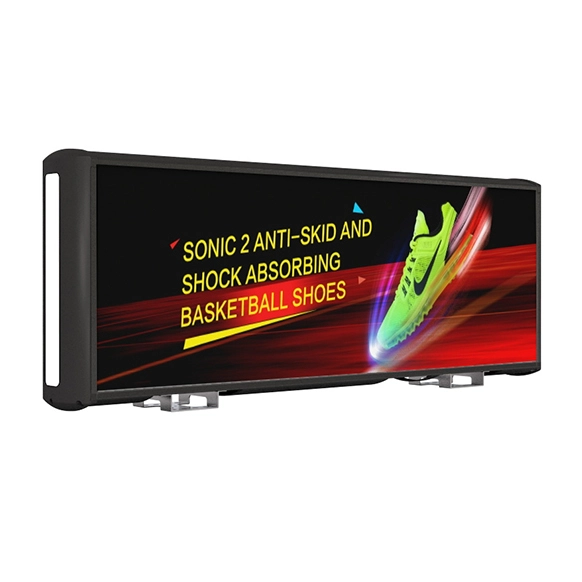
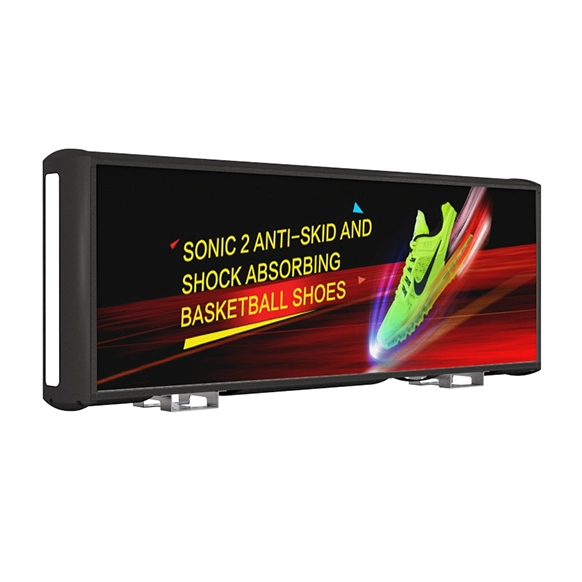
In automotive applications, technologies such as LED display board for car are increasingly used for mobile advertising and ride-based promotions. These systems allow real-time content updates and high visibility in urban traffic environments.
In commercial advertising markets, demand for LED advertising screens for sale continues to grow as businesses shift toward digital signage. Traditional formats such as advertisement display board LED are being replaced by smarter and more dynamic systems like LED smart display, which support interactive content and remote management.
New optical innovations are also emerging in the industry. Technologies like LED lights sensor integration enable automatic brightness adjustment based on environmental conditions, improving visibility and energy efficiency.
Transparent display technology is another fast-growing area. Products are widely used in glass storefronts, shopping malls, and architectural installations where visibility and aesthetics must be combined.
Creative display structures such as the magic cube LED display are also used in exhibitions and brand activations to create immersive visual experiences.
KEYTECHLED is a professional LED display solution provider focused on delivering high-performance visual systems for commercial, industrial, and creative applications.
The brand develops LED display systems designed for indoor communication, outdoor advertising, smart signage, and large-scale event production. Its solutions are widely used in retail environments, transportation hubs, control centers, exhibitions, and public advertising spaces.
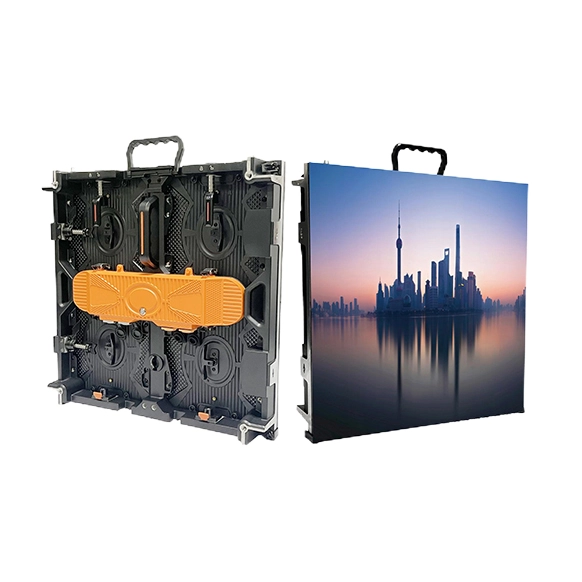
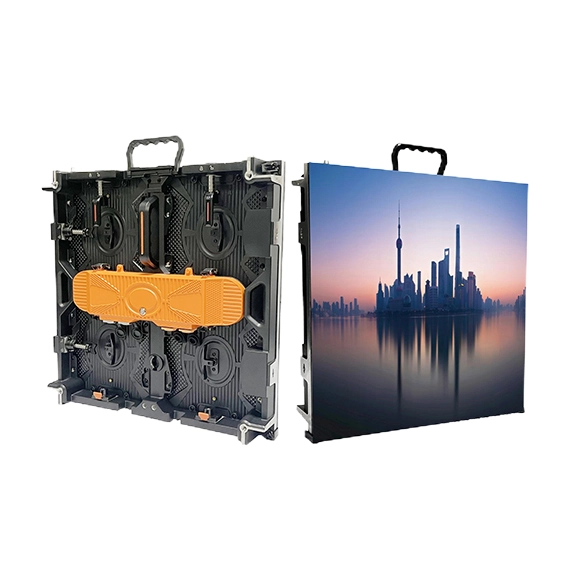
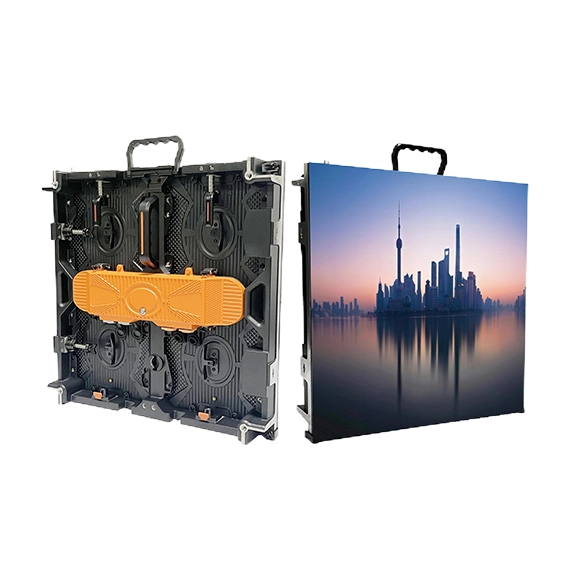
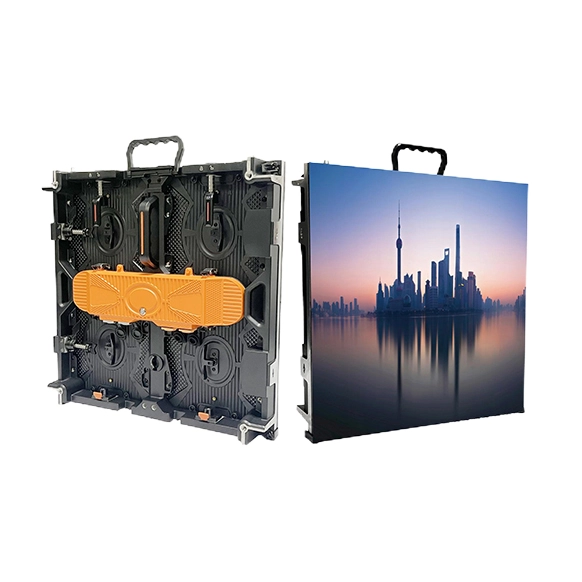
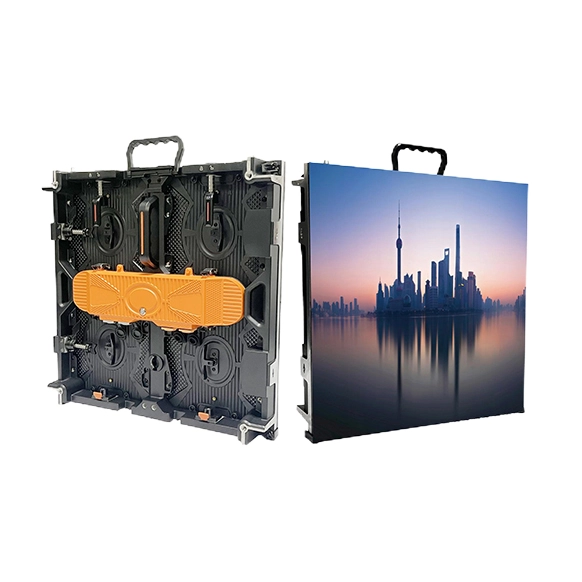
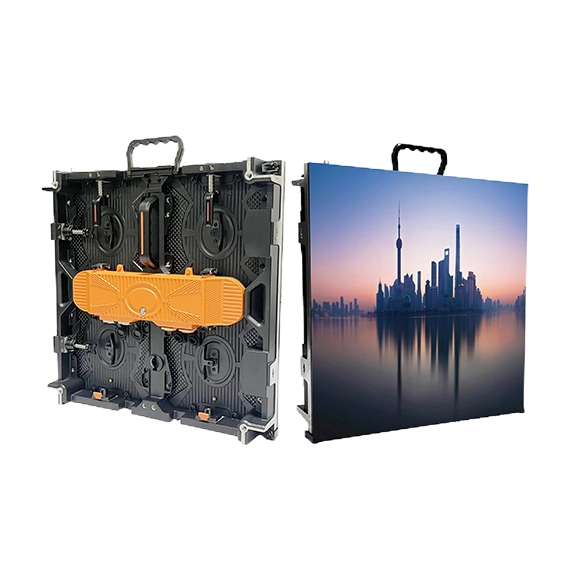
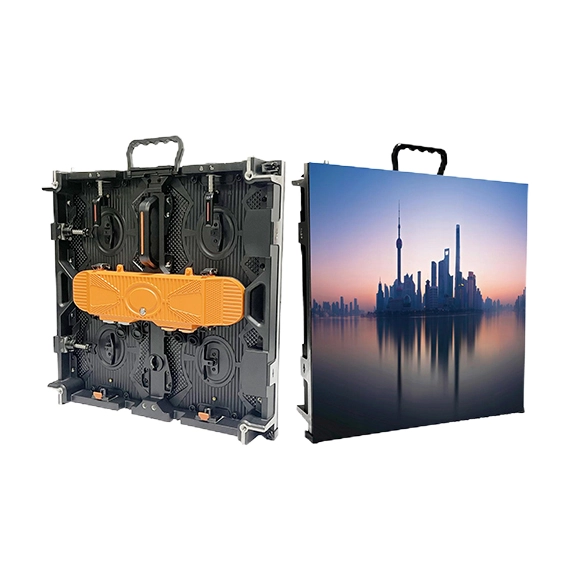
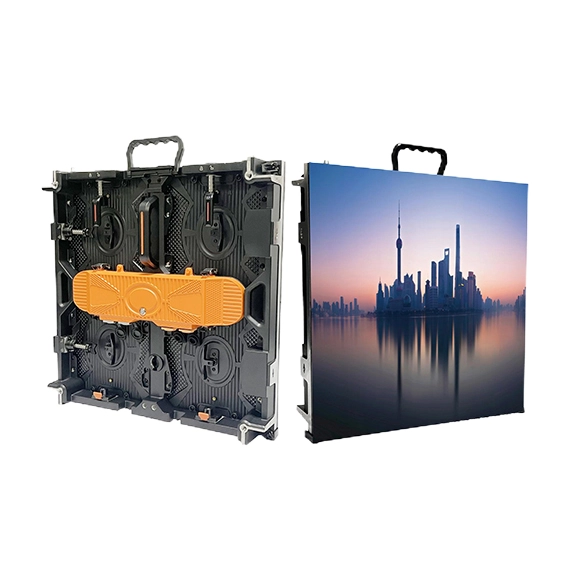
In the rental and event industry, KEYTECHLED provides modular LED systems that support fast installation, flexible configurations, and high visual impact. These systems are widely used in concerts, exhibitions, corporate events, and touring productions where reliability and speed are essential.
They are also suitable for professional applications such as screen rental for events(https://www.keytechled.com/products/rental-screen/), where temporary but high-performance display systems are required for dynamic environments.
The difference between LCD TV and LED TV mainly lies in the backlighting system rather than the display panel itself. LCD TV uses traditional lighting technology, while LED TV uses more efficient LED backlighting to improve brightness, energy efficiency, and overall visual performance.
In today’s market, LED TV has become the standard choice due to its better performance and modern design advantages.
Beyond consumer televisions, LED technology has evolved into a wide range of professional and commercial applications, including digital signage, automotive displays, transparent screens, and creative installations. Companies like KEYTECHLED demonstrate how LED-based systems are used across industries, supporting both fixed installations and flexible rental-based display solutions in real-world environments.
 The Impact of Digital Taxi Top Displays on Out-of-home AdvertisingFebruary 29, 2024In today's fast-paced world, where technology is constantly evolving, it is crucial for businesses to adapt and stay ahead of the game. One such technological advancement that has revolutionized t...viewLED Food Delivery Bags: Revolutionize Your Advertising Campaigns!April 23, 2025Our LED food delivery bags aren't just ordinary carriers—they're dynamic mobile billboards that effortlessly drive your ads straight to customers!viewSuccessful Delivery of KEYTECHLED P2.5 Bus Rear Window Displays to Egypt CustomerMay 7, 2025Successful Delivery of KEYTECHLED P2.5 Bus Rear Window Displays to Egypt CustomerKEYTECHLED has successfully delivered P2.5 high-brightness LED displays to an Egypt-based client for innovative bus rea...viewLED Display Cloud Platform: Leading LED Displays into the Era of Cloud ManagementApril 23, 2025The LED display cloud platform is an integrated cloud platform with functions such as LED program editing, reviewing, releasing, etc. This platform can accommodate the access of millions of displays w...viewEntertainment and Information with Bus LED ScreensFebruary 29, 2024In today's fast-paced world, where people are constantly on the move, it is essential to find innovative ways to engage and entertain commuters during their daily journeys. This is where bus LED s...viewShaping Smarter Cities: the Role of Smart Light PolesNovember 23, 2023As cities evolve to meet the demands of the digital age, one integral component is silently transforming urban landscapes – the smart light pole. No longer limited to the traditional function of prov...view